
Early Career Researchers
At the BFDG we have always cherished the input and collaboration between experienced academics and those entering academia with a fresh perspective. We are committed to nurturing and supporting early career researchers as they explore opportunities, build confidence, and begin shaping their scientific careers.
Alongside our annual meeting, we have an ECR event to help PhDs and ECRs connect with peers, share ideas, and have their voices heard. Using a mixture of invited speaker presentations and panel discussions, the event aims to support ECRs in gaining skills, expanding networks, and navigating academic and related career paths with confidence.
ECR Event
The BFDG Early Career Researcher Event will again be sponsored by the Consumer Lab and will be held on Wednesday 22 April 2026 at Wageningen University.
Navigating Career Pathways: A Panel with Q&A
Join us for an interactive session focusing on navigating career pathways, followed by a panel discussion with experts from academia and industry.
Annika Flynn, Post-doc researcher at Uni of Bristol, annika.flynn@bristol.ac.uk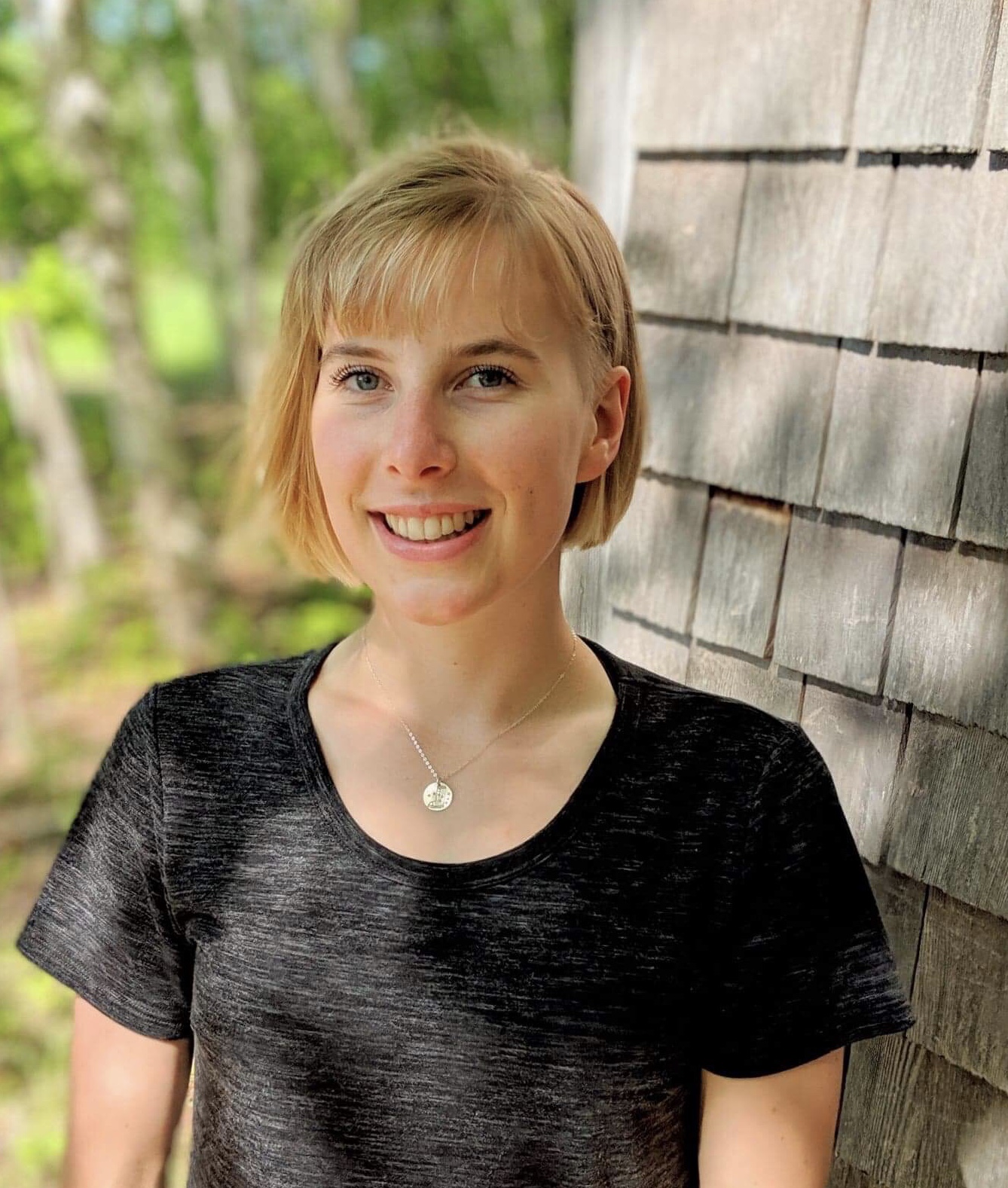
Annika completed her PhD at the University of Bristol where she explored how food composition influences food choice and energy intake in humans. Part of her doctoral research also examined how eating contexts (i.e., social and distracted eating) might impact body mass index. Her current post-doctoral research role is associated with the Sustainable Nutrition, Environment and Agriculture, without Consumer Knowledge (SNEAK) project which is part of the Transforming UK Food Systems network. The SNEAK project is exploring how strategic menu swaps could reduce carbon footprint and intake of unwanted nutrients across a range of different eating environments (i.e., schools, canteens, hospitals etc).

Dr Dani Ferriday, danielle.ferriday@bristol.ac.uk , Affiliation: Nutrition and Behaviour Unit, School of Psychological Science, University of Bristol, UK.
Dr Dani Ferriday is an Associate Professor in Nutrition and Behaviour at the University of Bristol. Her research focusses on the psychology of human dietary behaviour, with expertise in beliefs about food, episodic memory, oral processing, portion-size drivers, and how parent–child interactions shape children’s dietary preferences.
Dr Ferriday now co-leads the Nutrition and Behaviour Unit. She is also a Co-Investigator and chair of the Impact Account funding panel for the BBSRC OIRC Innovation Hub Consumer Lab, supporting academic–industry partnerships aimed at improving ecological validity in research, engaging seldom-heard communities, understanding the drivers of food choice, and promoting more sustainable dietary behaviours. She is also a Co-Investigator in the NIHR Bristol Biomedical Research Centre’s Diet and Physical Activity theme, focusing on post-exercise eating behaviour.
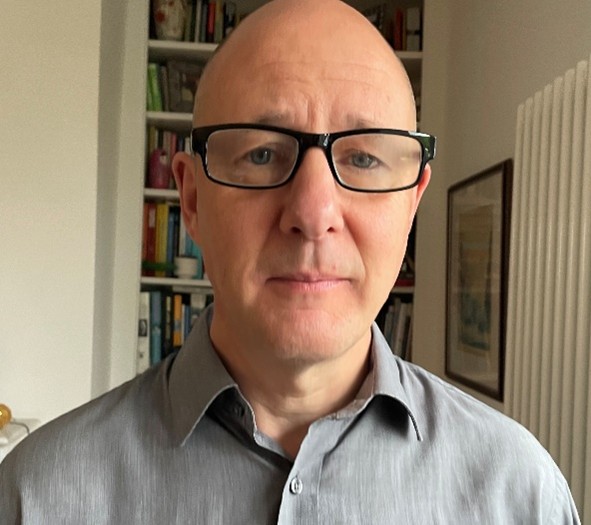
Prof. Jeff Brunstrom, Jeff.Brunstrom@bristol.ac.uk, Affiliation: Nutrition and Behaviour Unit, School of Psychological Science, University of Bristol, UK
Brief biography:
Jeff Brunstrom was awarded his PhD from the University of Birmingham (UK). In 1999 he became a lecturer in the Department of Human Sciences at Loughborough University (UK) and in 2005 he moved to the University of Bristol (UK). His current position is Professor of Experimental Psychology. Jeff co-leads the Nutrition and Behaviour Unit in the School of Psychological Science. Major research themes include appetite, memory and cognition, expected satiety, dietary learning, eating behaviour, portion size, and food choice, and Jeff has published over 160 papers on these topics. His research has been supported by a range of funding agencies, including the BBSRC, MRC, ESRC, EU-FP7, and NIHR. Most recently, he has led a Transforming UK Food Systems UKRI Strategic Priorities Fund project (Sustainable Nutrition, Environment and Agriculture, Without Consumer Knowledge; SNEAK) exploring ways to optimise menu structures to promote planetary and dietary health. Jeff serves in several advisory roles, and he leads ‘Consumer Lab’, which fosters collaboration between industry and academic researchers as part of the BBSRC-OIRC network. He has been recognised by the Society for the Study of Ingestive Behavior as a recipient of both the Alan N. Epstein Research Award (2011) and the Hoebel Prize for Creativity (2023).
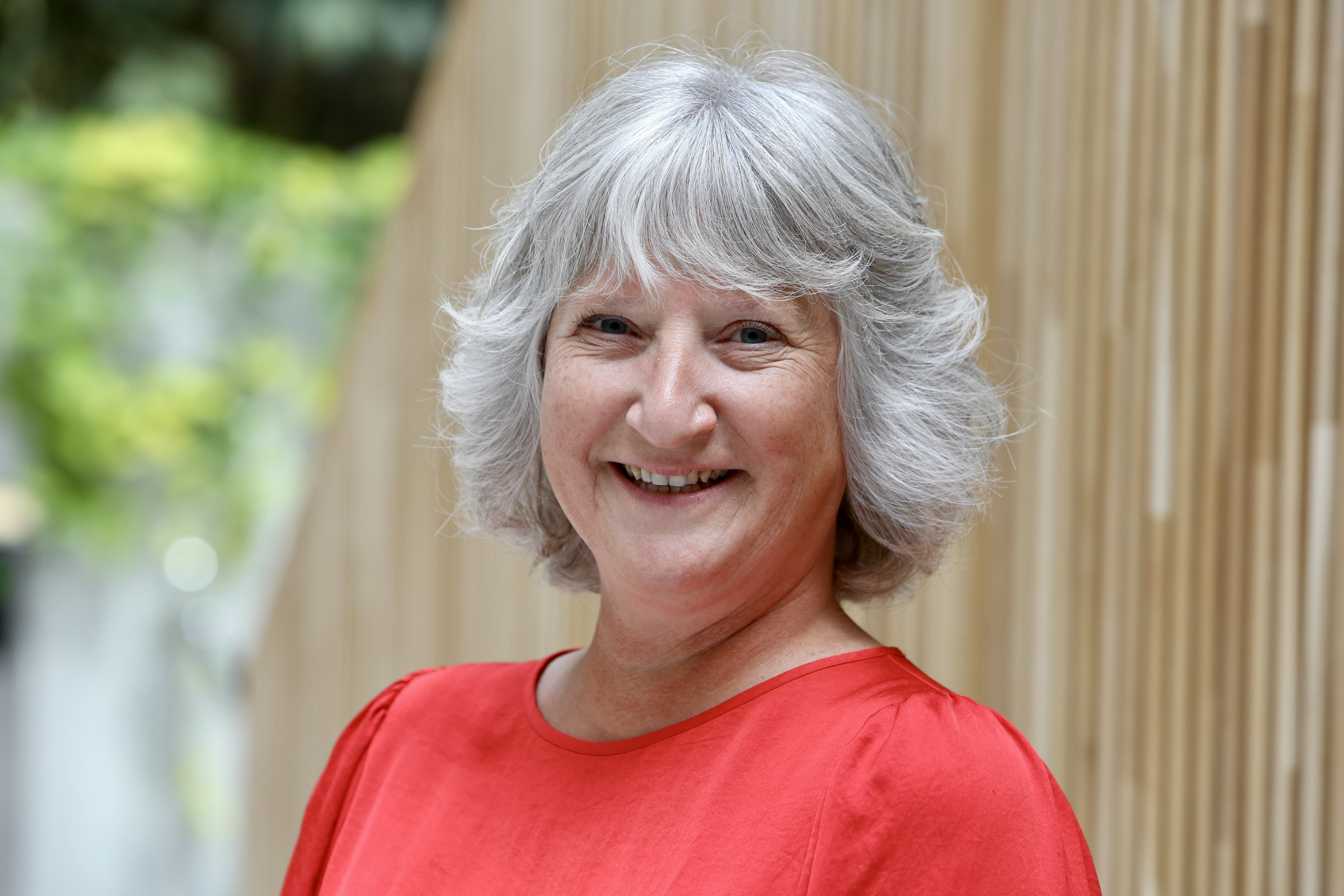
Prof. Liesbeth Zandstra, Unilever Foods Innovation Centre Wageningen, The Netherlands, Wageningen University and Research, The Netherlands, Email: liesbeth.zandstra@unilever.com / liesbeth.zandstra@wur.nl
Liesbeth Zandstra is Consumer Science Capability Lead at Unilever Foods Innovation Centre Wageningen and professor Food Reward and Behaviour at Wageningen University and Research (The Netherlands). Her research focuses on scientific challenges to find new ways to make the healthy and sustainable choice the preferred choice. She is particularly interested in psychophysiological and behavioral effects of foods as well as new methodologies for better understanding sensory perception and consumer behavior.
Please note this session briefing is temporary and may be updated at a closer time.
Session briefing:
Project, Person, Place: Preparing a fellowship application
Many funders offer fellowship awards, particularly for early career researchers (ECRs), to support the delivery of an ambitious research project and the development of future research leaders. In this session, we will focus on three core components of a successful fellowship application: Project (what you plan to do and why it will have impact), Person (why you are well placed to lead this work and what skills or training you need to develop), and Place (where the project should be delivered and why this is the best environment). You will hear practical tips and reflections from researchers who have recently applied for or secured fellowships. Following the session, we will host a ‘Fellowship Q&A Helpdesk’ during the lunch break, offering the opportunity for 1:1 discussions about fellowship ideas, applications in progress, or any questions about the application process.
Speakers profile:

Dr. Florence Sheen, fms15@leicester.ac.uk
Lecturer in Psychology, School of Psychology and Vision Sciences, University of Leicester
Dr. Sheen is a Lecturer in Psychology, University of Leicester. After completing her PhD focussing on the portion size effect, plate-clearing tendencies, and food waste concerns (University of Liverpool), she worked as a Research Fellow in Ingestive Behaviour (A*STAR), and later Behavioural Science & Health (UCL). She then held an Independent Research Fellowship (Loughborough University), examining how best to talk with adolescents about eating and body weight to support holistic development, exploring whether AI can address related queries. She now continues this work alongside investigating adolescents’ ultra-processed food consumption, the National Child Measurement Programme, and how microgreen consumption impacts health behaviours.
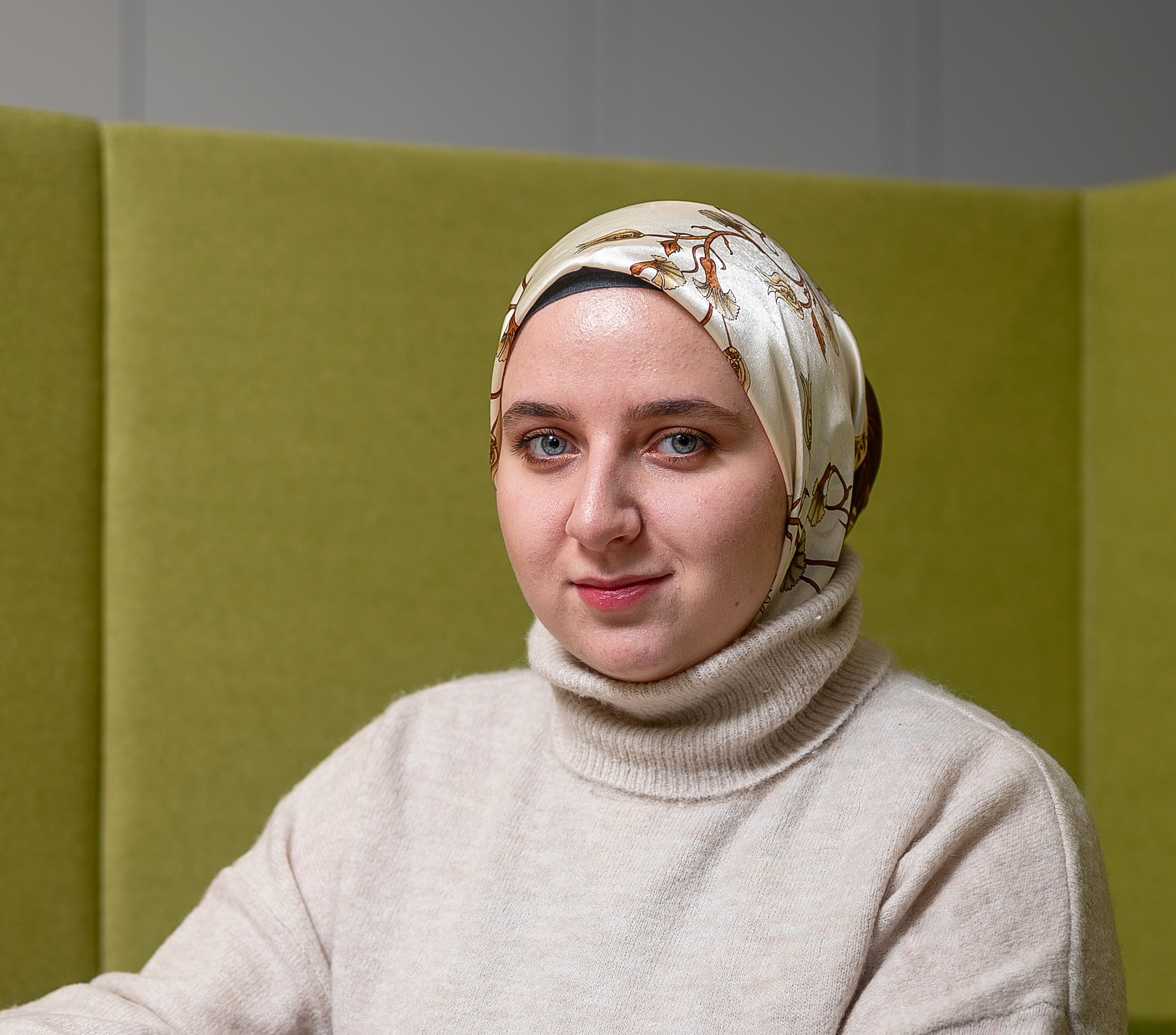
Dr. Zeynep Nars, z.nas.17@ucl.ac.uk
Postdoctoral Researcher, Research into Eating ACtivity and Health (REACH) Group, Department of Behavioural Science and Health, Institute of Epidemiology & Health Care, University College London
Dr. Nars is a postdoctoral researcher in the Department of Behavioural Science & Health at University College London (UCL). Her research focuses on eating disorders, particularly Avoidant/Restrictive Food Intake Disorder (ARFID). Supported by an MQ Mental Health Research Fellowship, her current work integrates extensive patient and public involvement (PPI) to deepen understanding of lived experience and improve early identification of ARFID. She also manages a major NIHR‑funded programme evaluating the National Child Measurement Programme. Trained in epidemiology and behaviour genetics, she holds a PhD from King’s College London and has worked across multiple longitudinal cohort studies, including the Gemini twin study.
Registration is OPEN! To register, please click on this link which will take you to a Microsoft Forms. On this survey, you can register, indicate your dietary requirements and accessibility needs.
A few important things:
- The entire event will be held in-person and attendees are required to be physically present in Wageningen.
- Using a mixture of presentations by guest speakers, and practical workshops, the ECR event will cover a variety of fundamental topics within academia.
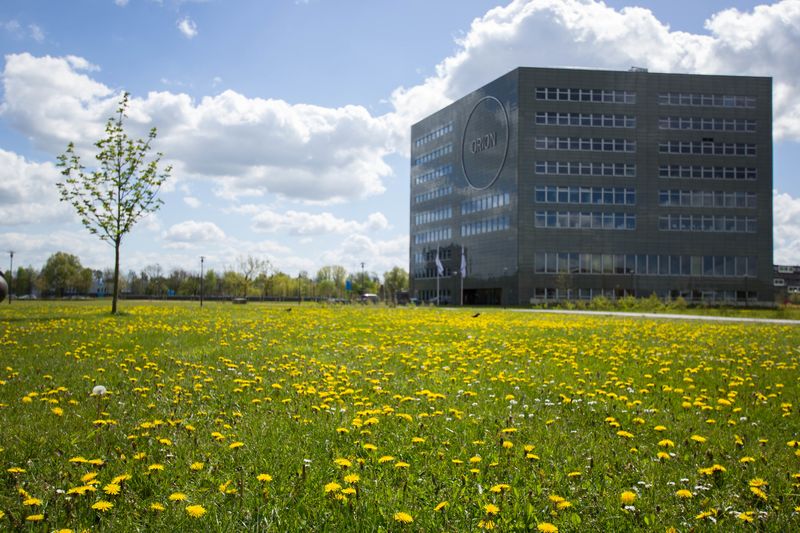
- Attendees will be welcome to join us for coffee and registration from 10.00 am onwards in Orion, Wageningen Campus.
- Lunch will be served from 12.30 to 13.30 pm. For the catering we are able to take into account dietary requirements/restrictions, although please note the lunch will be buffet style with a variety of options. In the registration form you can inform us about your dietary restrictions.
- At the end of the event, join us for dinner and drinks at a local bar (Loburg) to get to know each other ahead of the main BFDG conference.
The program is still in progress and therefore not online yet. You are welcome in Wageningen from 10.00 am onwards. The formal program will end at 17.00 after which we will move together to the city center of Wageningen for dinner and drinks.
If you have any questions regarding the event, feel free to contact one of the organizers at: bfdg.ecr@gmail.com.
Date: 22 April 2025
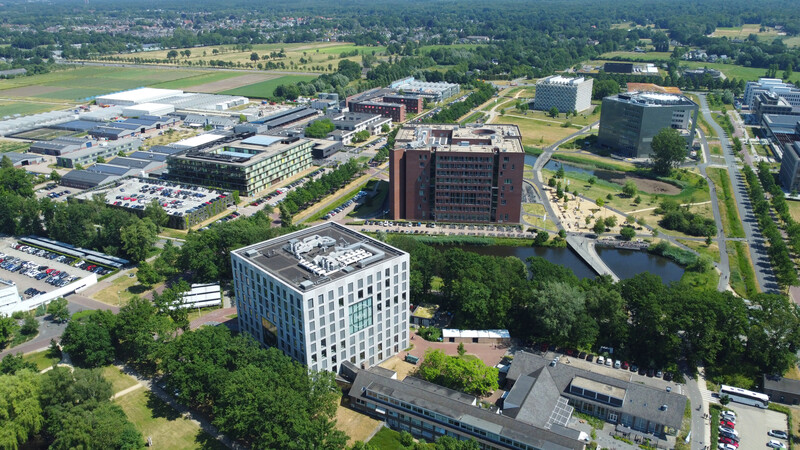
Location: Wageningen University & Research Campus, Orion Building.
ECR Committee
Organizing committee: Marieke van Bruinessen, Shihui Yu, Qing Zhang, Harmehak Singh, Jiachun Li and Florian Walter.
Contact
If you have any questions regarding the event, feel free to contact one of the organizers at: bfdg.ecr@gmail.com.
 The British Feeding and Drinking Group